Our Story
Our Mission
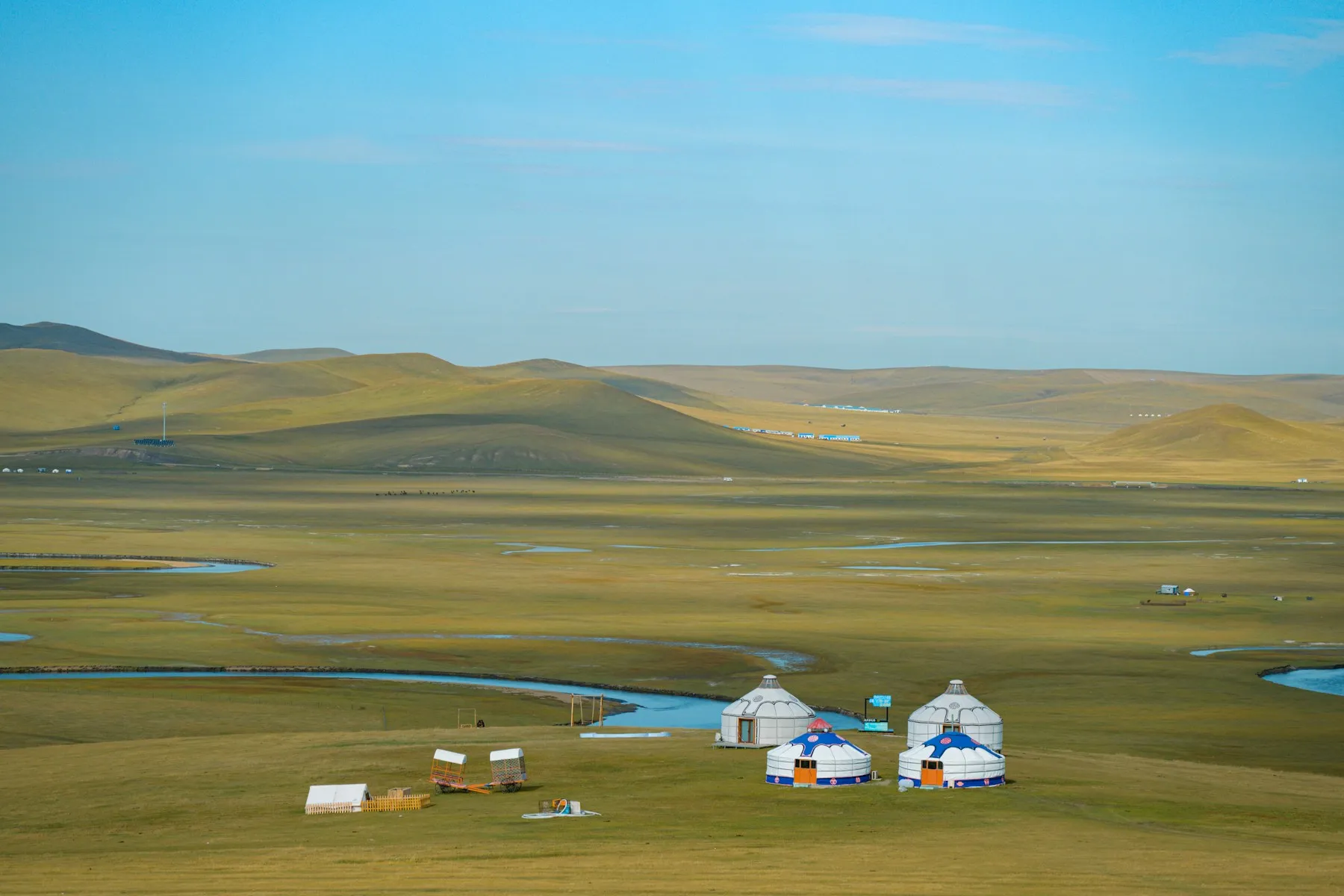
Our mission is to bring one of the world's oldest fermented foods out of Mongolia without changing what it is. Fermented mare's milk has been part of daily life on the steppe for eight hundred years. It was never designed as a health product. It is what the land gives, and what the people who live on it have always made. It had never travelled, because the fresh ferment spoils within days and the mares are only in milk for a few months of the year. We fixed that, and nothing else. It is fermented where it has always been fermented, dried where it is made, and sealed there before it leaves the country
Eight hundred years ago
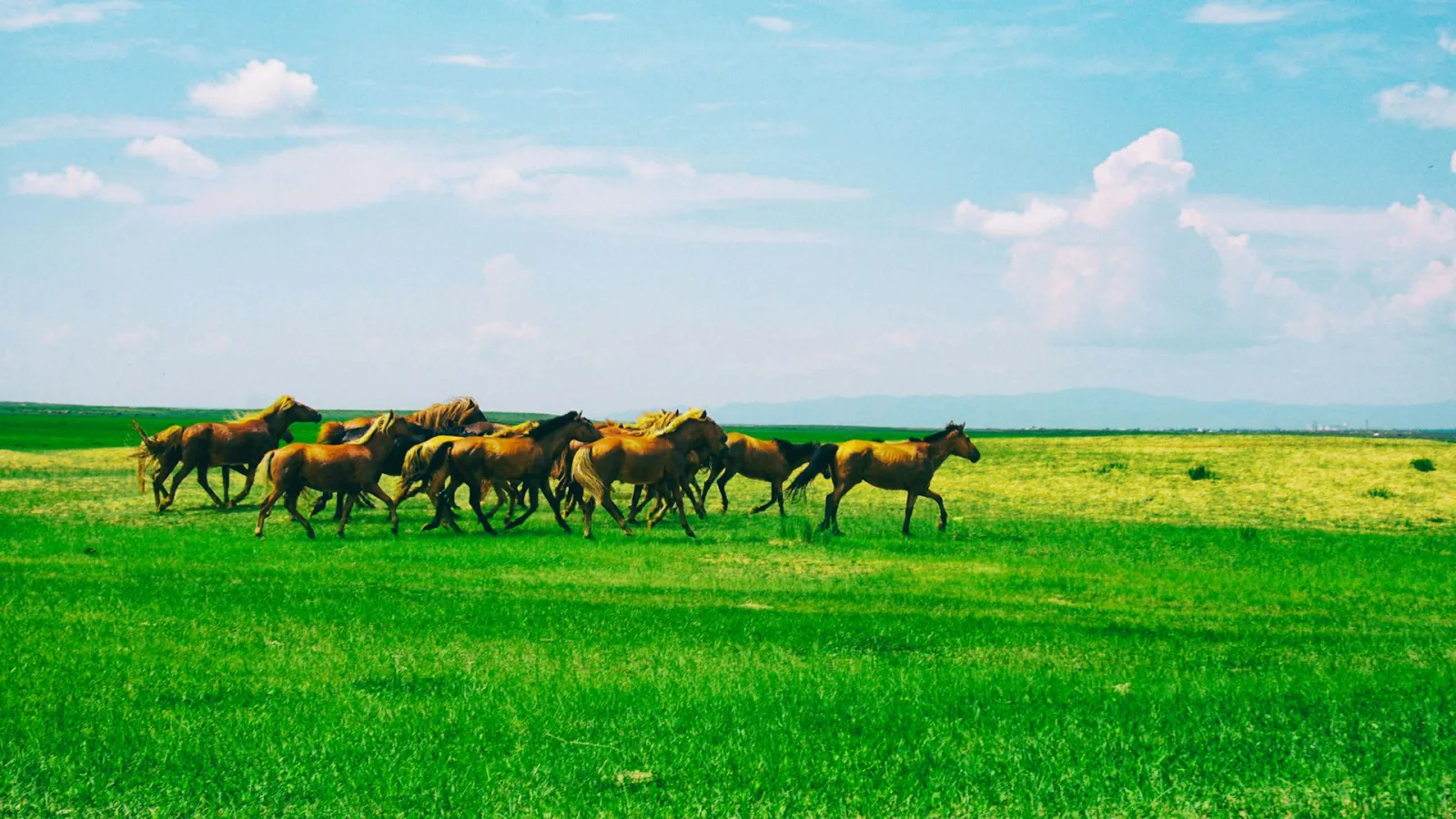
Riders cross the steppe with herds of mares. The milk is fermented as the column moves, and made fresh wherever it stops to camp
Every season since
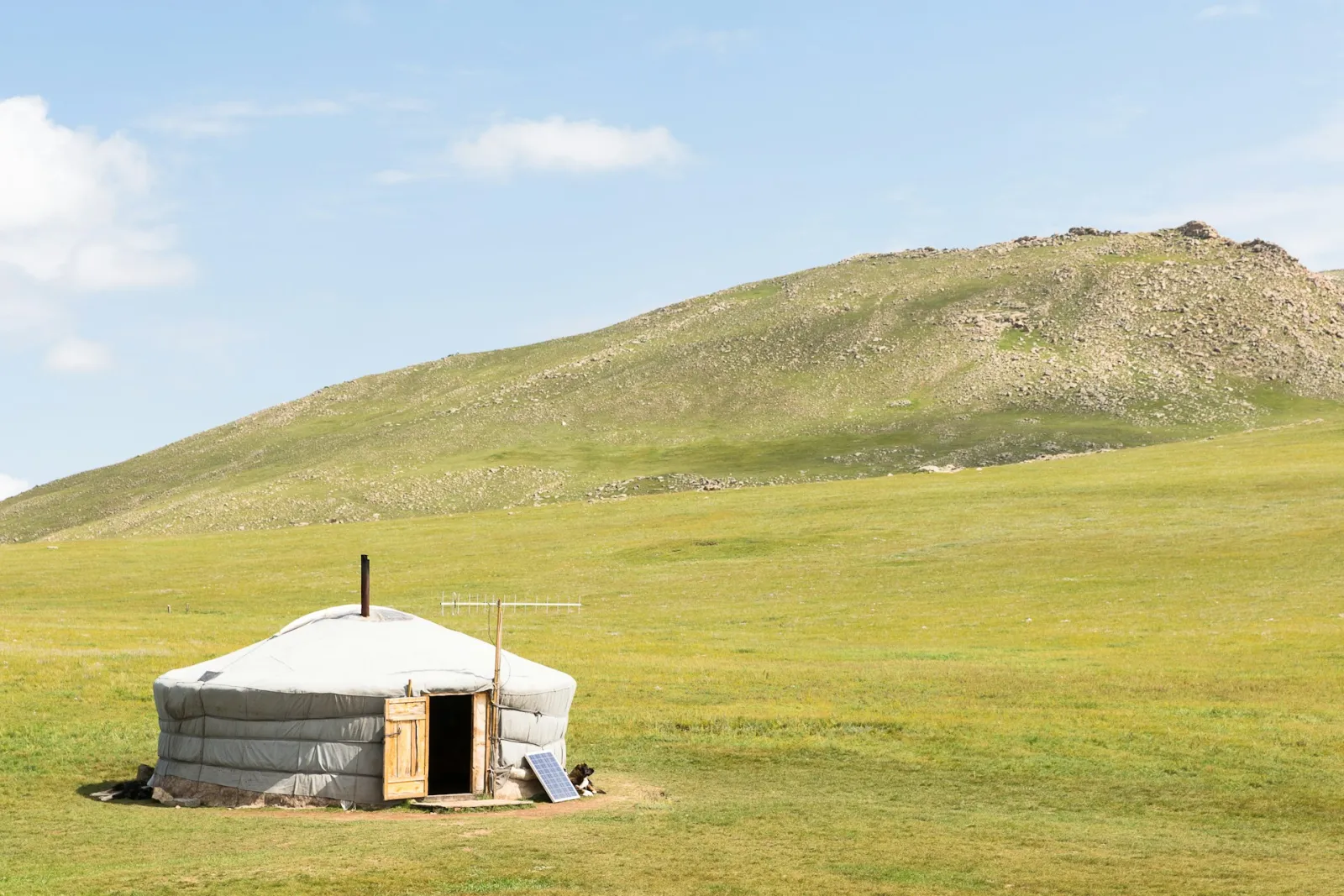
Herding families keep their own living cultures, each one carried from one summer to the next without a break
Töv Province, today
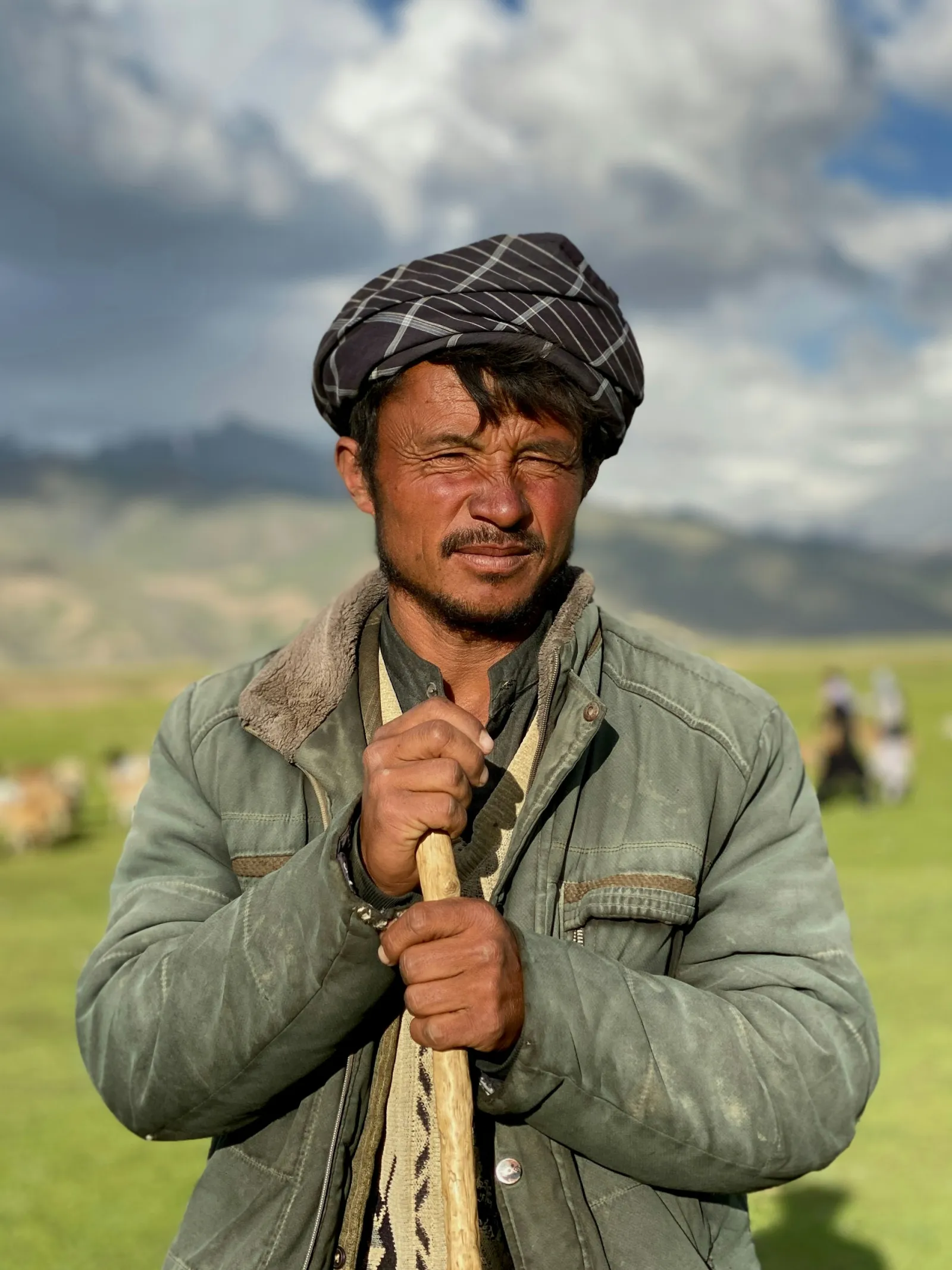
Steppe Gut is formed. The milk is bought from families who were already fermenting it, at a price agreed before each season starts
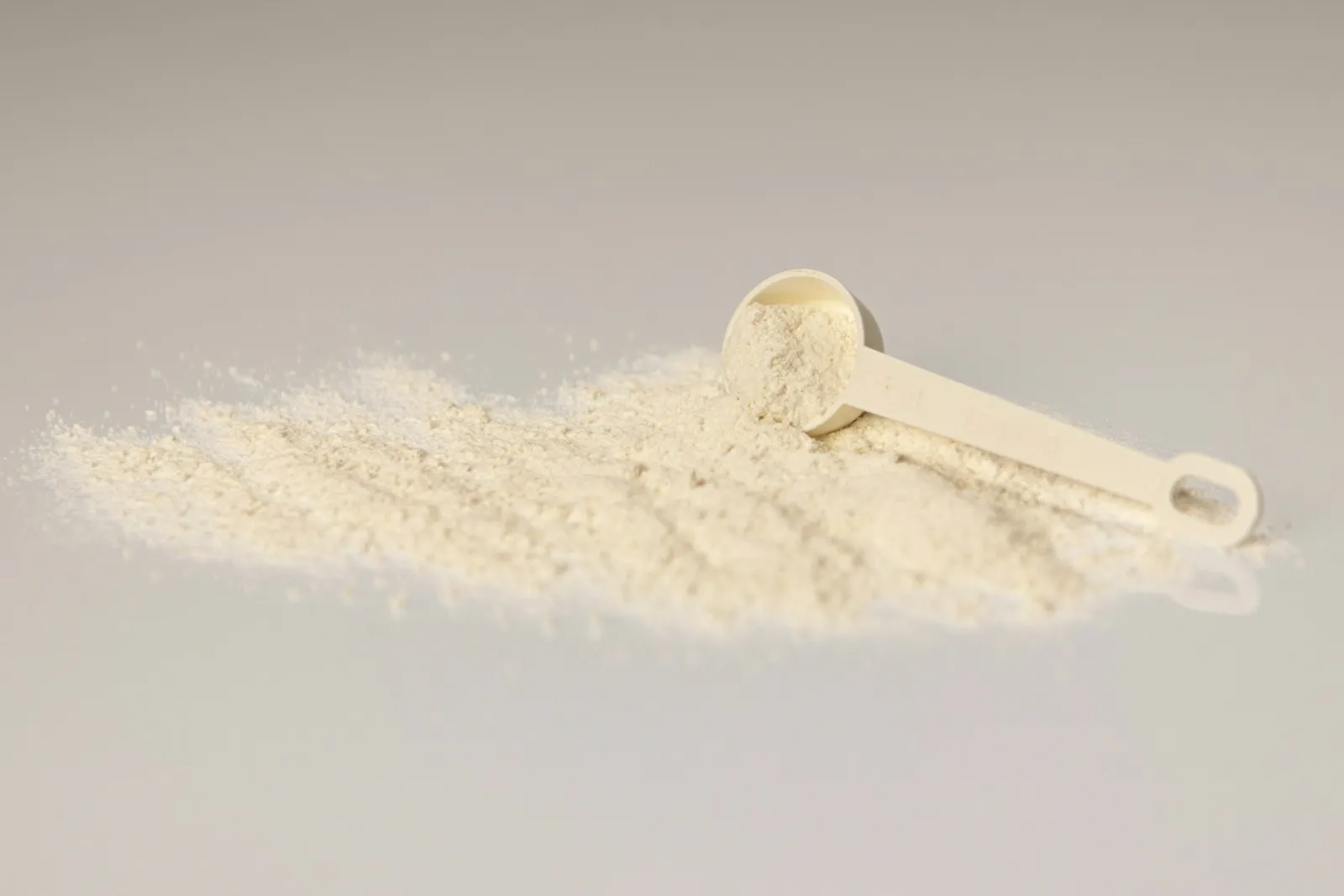
Now
Dried and sealed where it is made, the ferment reaches you as a stable powder, never re-cultured on the way
Fast forward to today
The way this milk is fermented on the steppe has not changed in eight centuries
and the one thing that has changed is only how far the sealed ferment can now travel
it reaches you unchanged as a dried powder that keeps until the day you add water
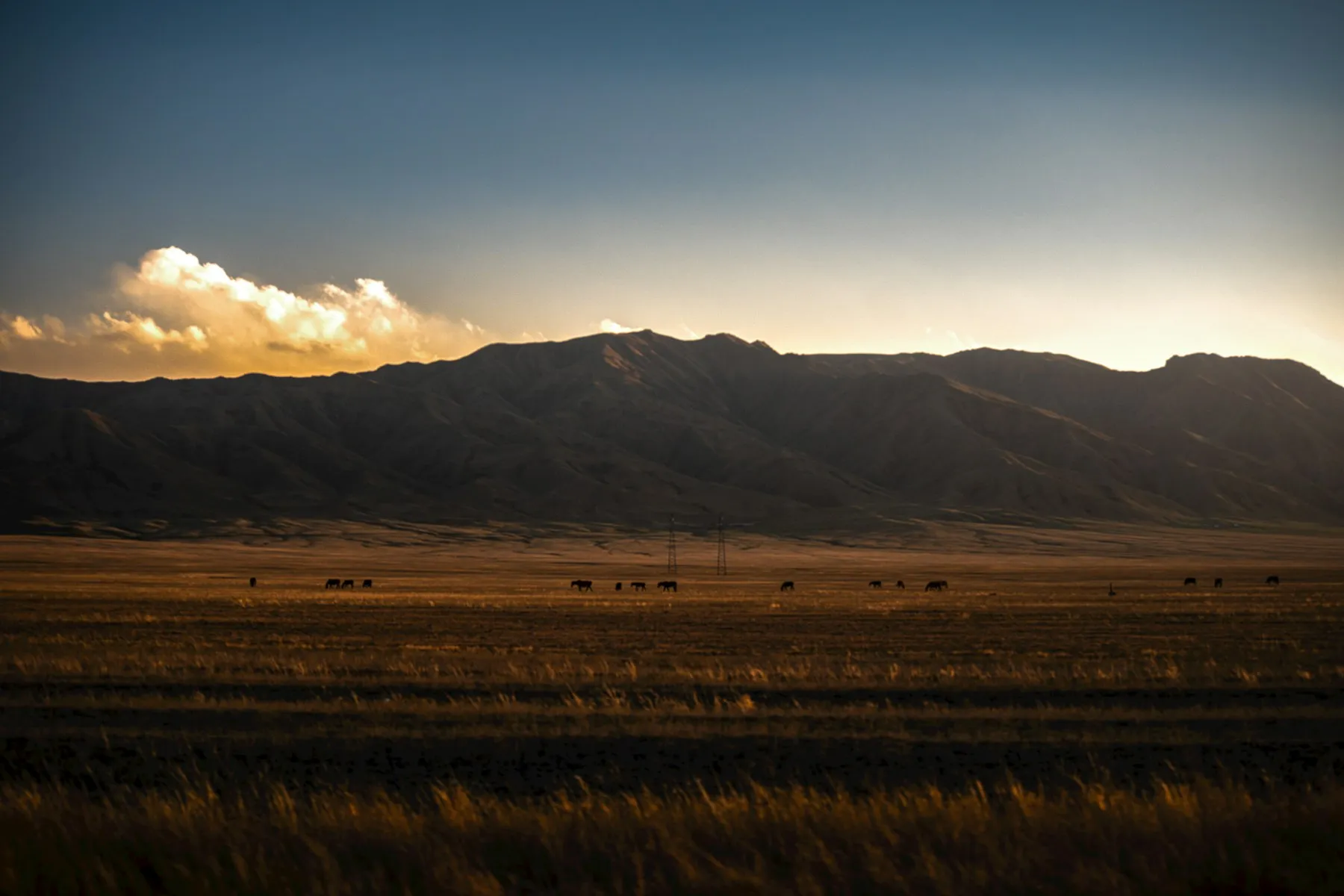
What the earth can sustain
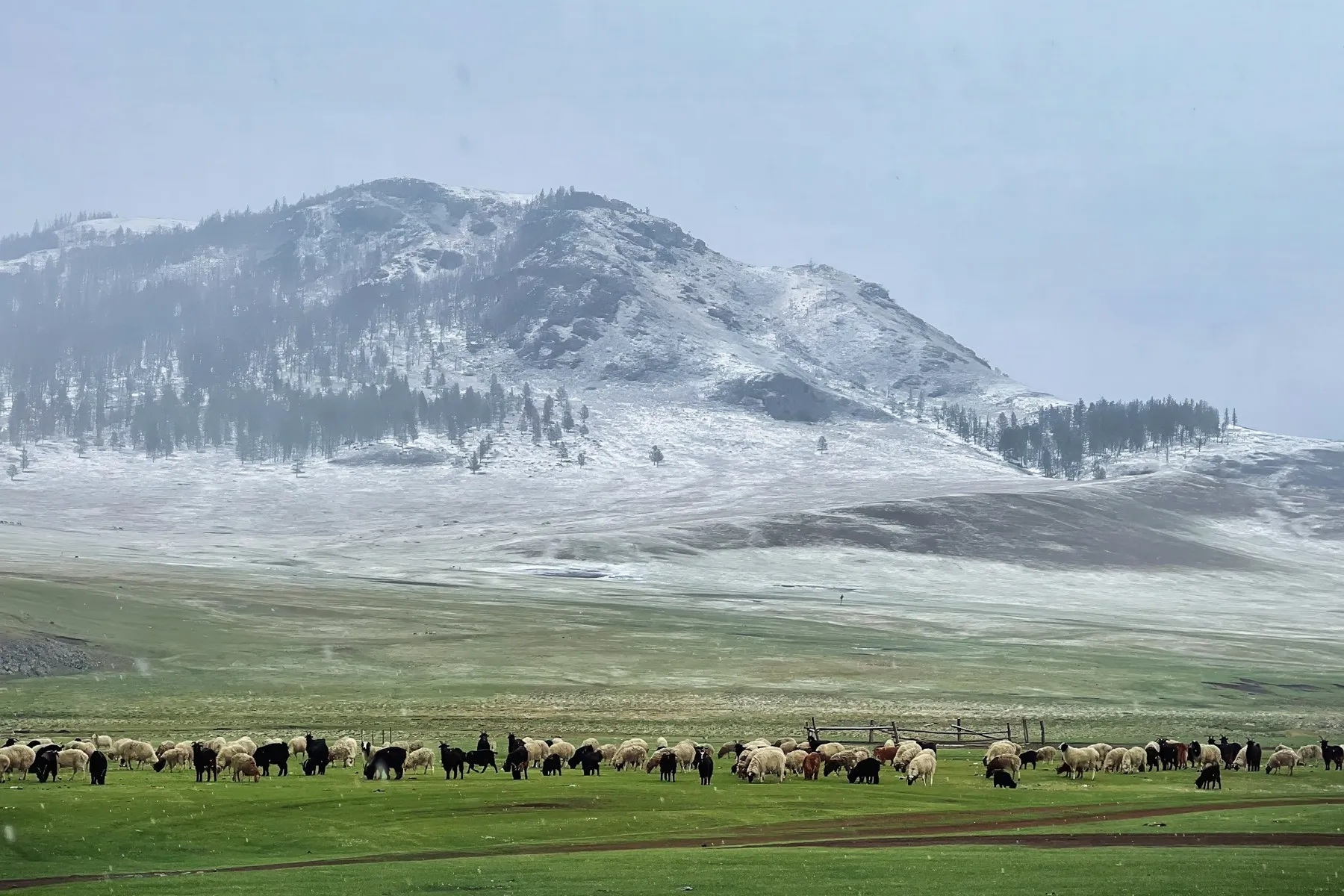
The steppe runs for hundreds of miles without a fence. It sits high, stays dry, and opens to wind on every horizon. The growing season is short, and crops can't take root
Grass thrives, and that one fact shapes everything else. If the land offers only grass, you keep animals that eat it, and you move on when the grass runs out
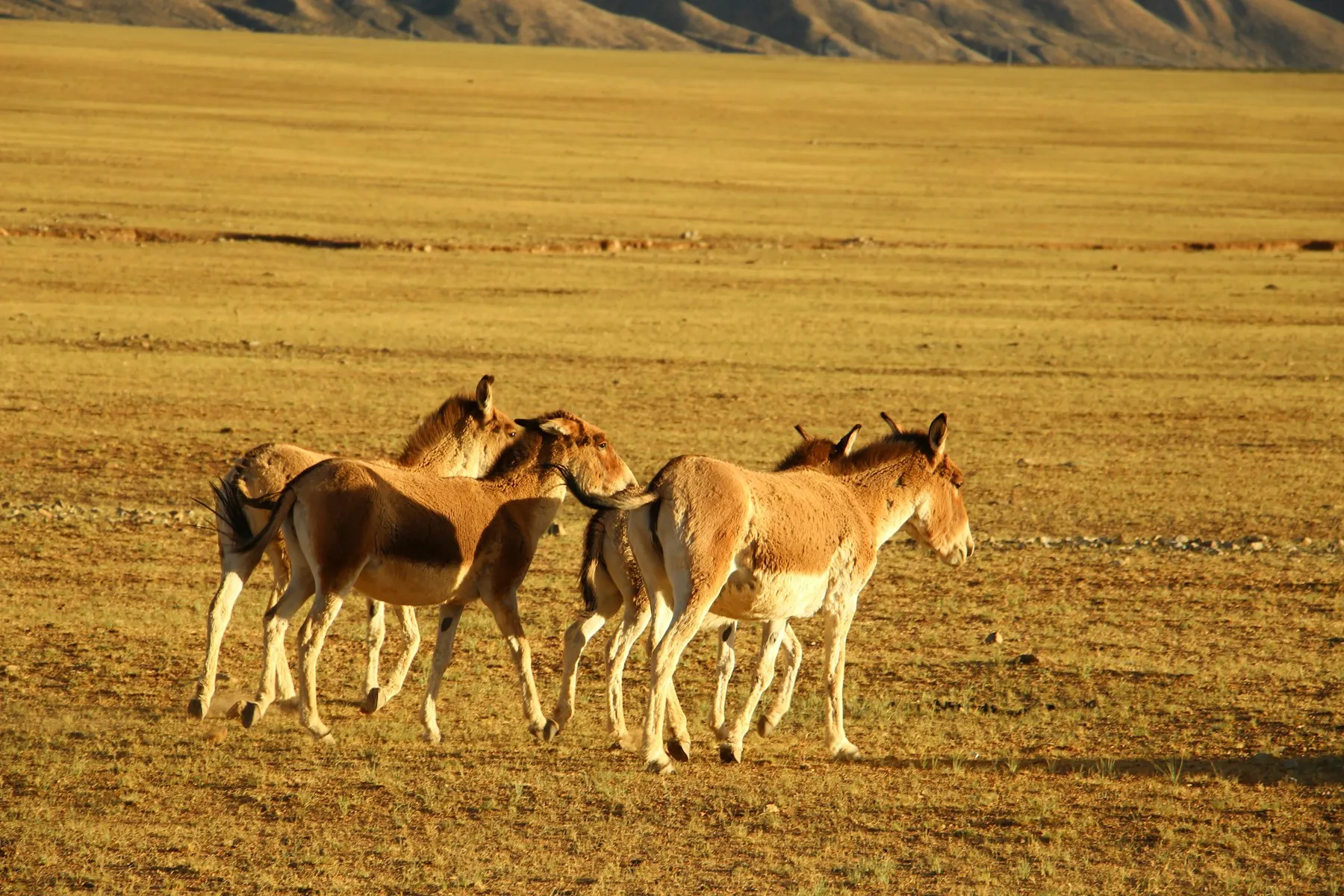
The animal everything depends on
Horses dig through snow to reach the grass underneath. They travel long distances without complaint. They move a whole household from one pasture to the next
A family's standing was counted in the horses it owned. Among the herd, the mares gave what none of the others could
Milk that appears,then goes
Steppe mares were never bred as dairy animals. They graze wild grassland all year and come into milk for one short window in summer, in small amounts, on a schedule the animal sets
Milk that arrives for a few weeks and spoils quickly has to become something that lasts. Fermentation was the answer, and people here had understood it for centuries
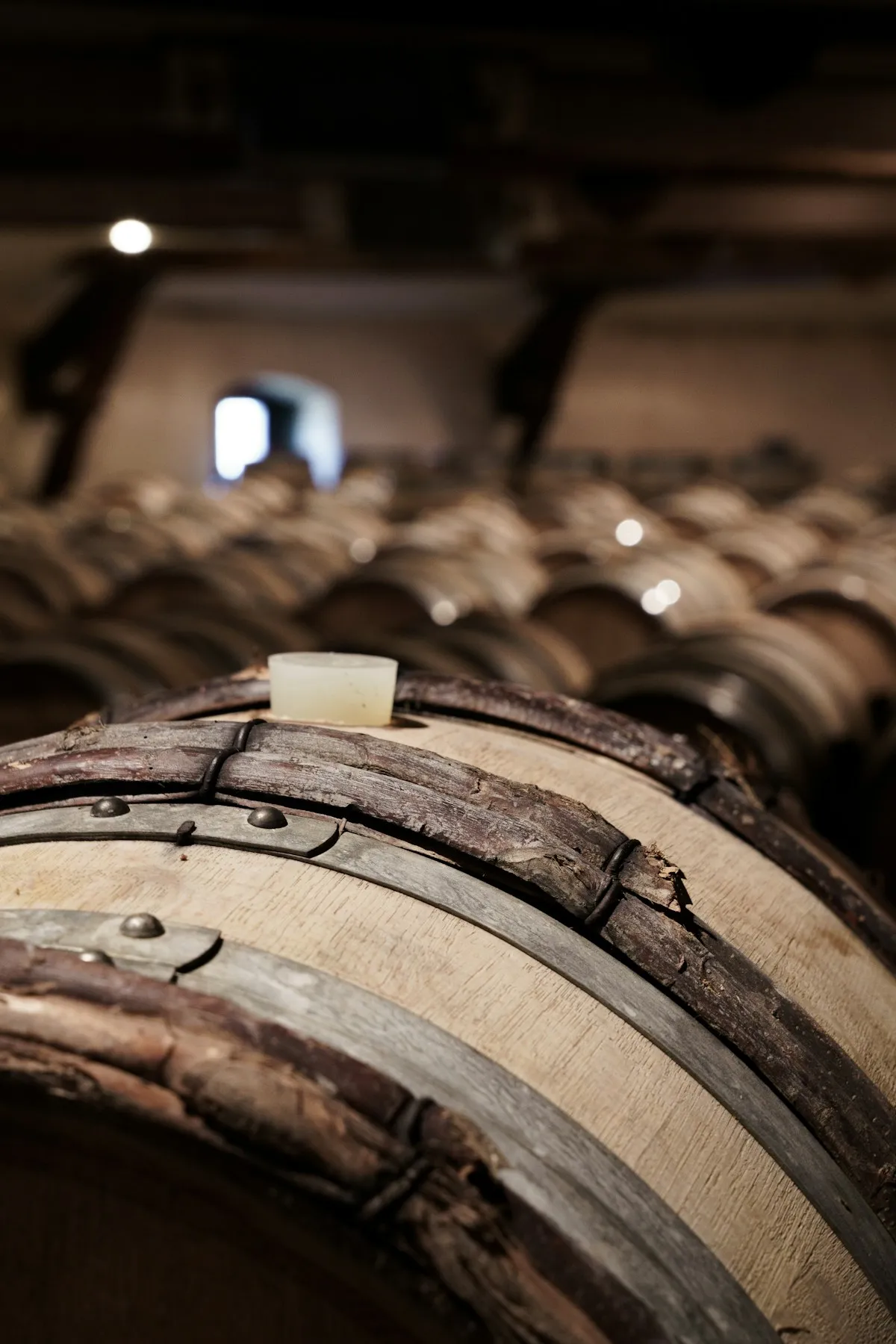
Patience and a living culture
Fresh milk goes into a vessel that already holds an active culture. Then the stirring begins, not once but for hours, whoever is nearby adding to it. The culture does the real work, and nothing is added to hurry it
Each family kept its culture going from one season to the next. The result is mildly sour, gently sparkling, and still alive. People drank it every day as ordinary food
Carried forward, not reinvented
On the steppe it is still made the way it always has been. Herding families culture it each season by the same method, for the same reasons. This part doesn't need improving
What we do is simple. We take the finished ferment, dry it where it was made, and seal it there. It never ships as a liquid, never gets reconstituted, never gets re-cultured downstream. What reaches you is the original ferment with the water taken out