Our Story
Manufacturing Process
How is Steppe Gut made?
Every pack begins with a mare on open grassland in Töv Province, Mongolia, and ends with a sealed sachet. In between there are seven steps. Some of them are eight hundred years old and some of them run on stainless steel, and this page walks through all of them, names the facility, and shows the parts of the process that are not picturesque.
It starts with the milk
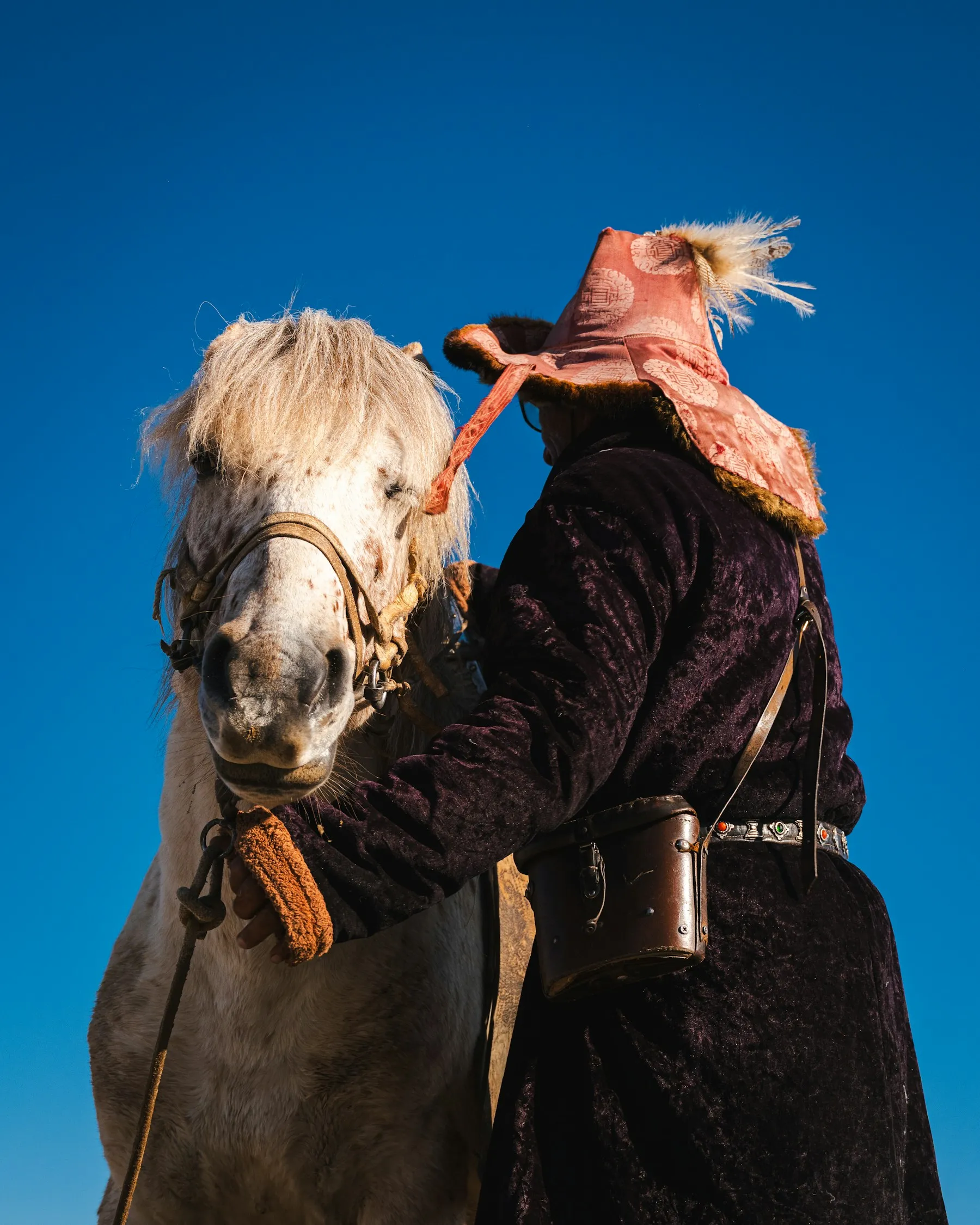
Steppe mares were never bred as dairy animals. They graze wild grassland all year and come into milk for one short window in summer, in small amounts, on a schedule the animal sets. Yield per session is a fraction of what a dairy cow gives, and there is no way to change that.
The milk is strained through cloth and cooled as far as conditions on open ground allow. It is handled fast, because the clock starts the moment it leaves the mare.
What the fermentation does
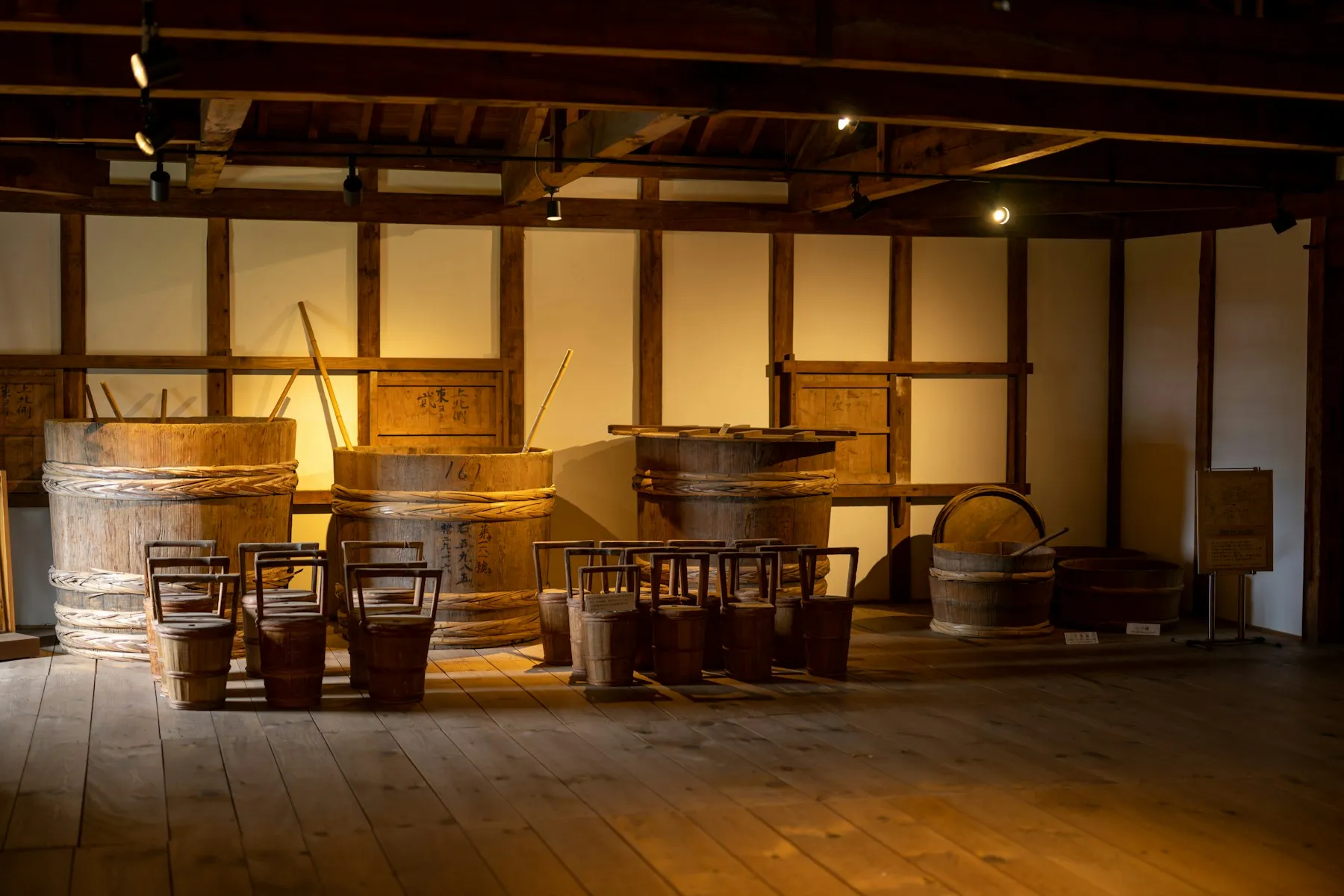
Strained milk goes into a wooden churn that already carries a living culture from earlier batches. Nothing is inoculated from a packet. Over about four days it is stirred by hand many times a day, by whoever is nearby, and the vessel is kept out of direct sun rather than held at a set temperature.
The culture turns lactose into lactic acid, the acidity rises, and the milk proteins partly unfold. This is ordinary, well-understood food chemistry, and it is the same process herding families have run every season for centuries.
Every batch is measured, not assumed
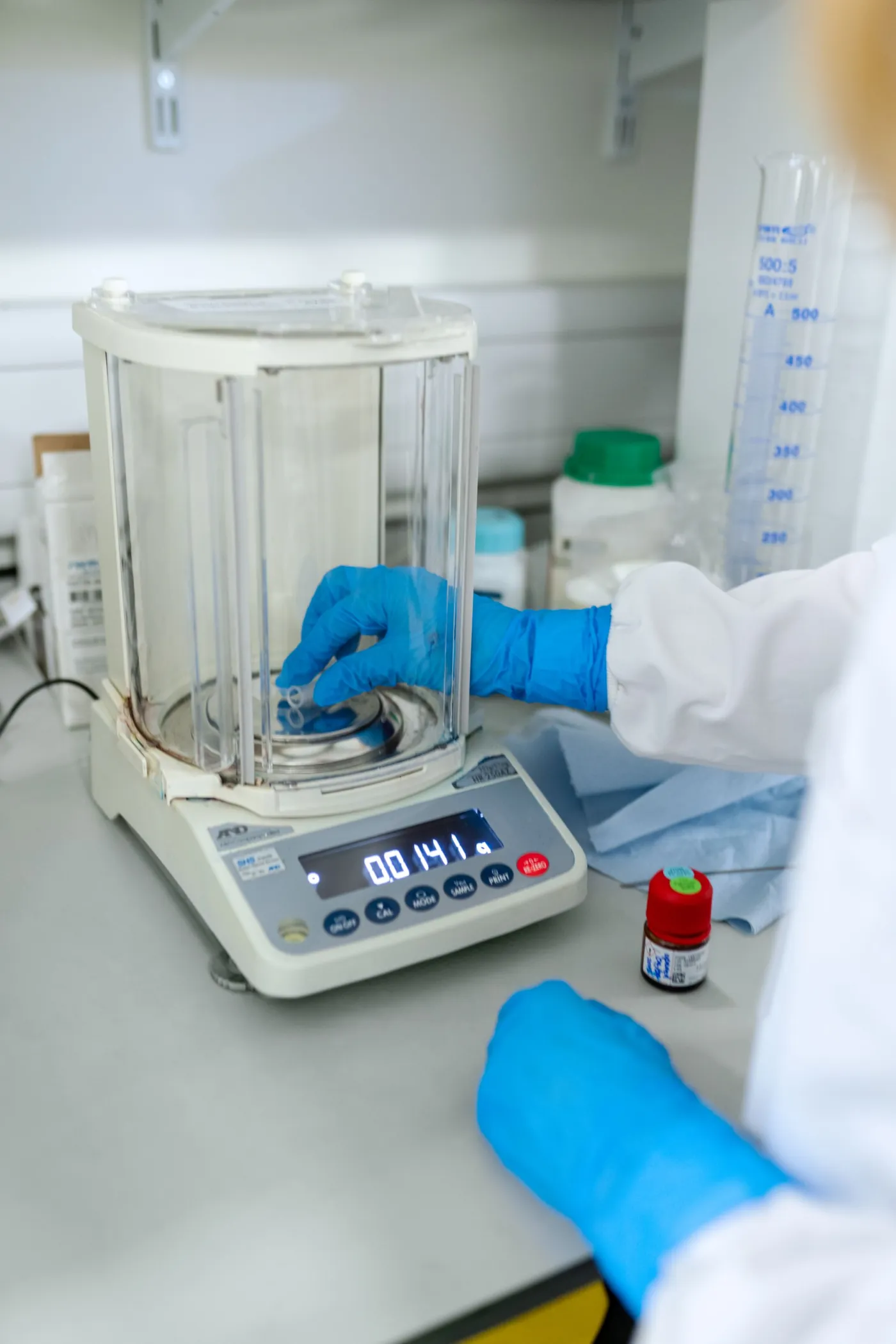
Fermentation carried out in individual family vessels produces more variation than a single industrial tank would. We manage that by testing every batch before it is released and by blending batches from within one season to even out the difference, and nothing from outside the June to October season is ever blended in. Moisture, protein, fat, lactose, vitamin C, heavy metals and the declared allergen are all checked, and a certificate of analysis is available on request.
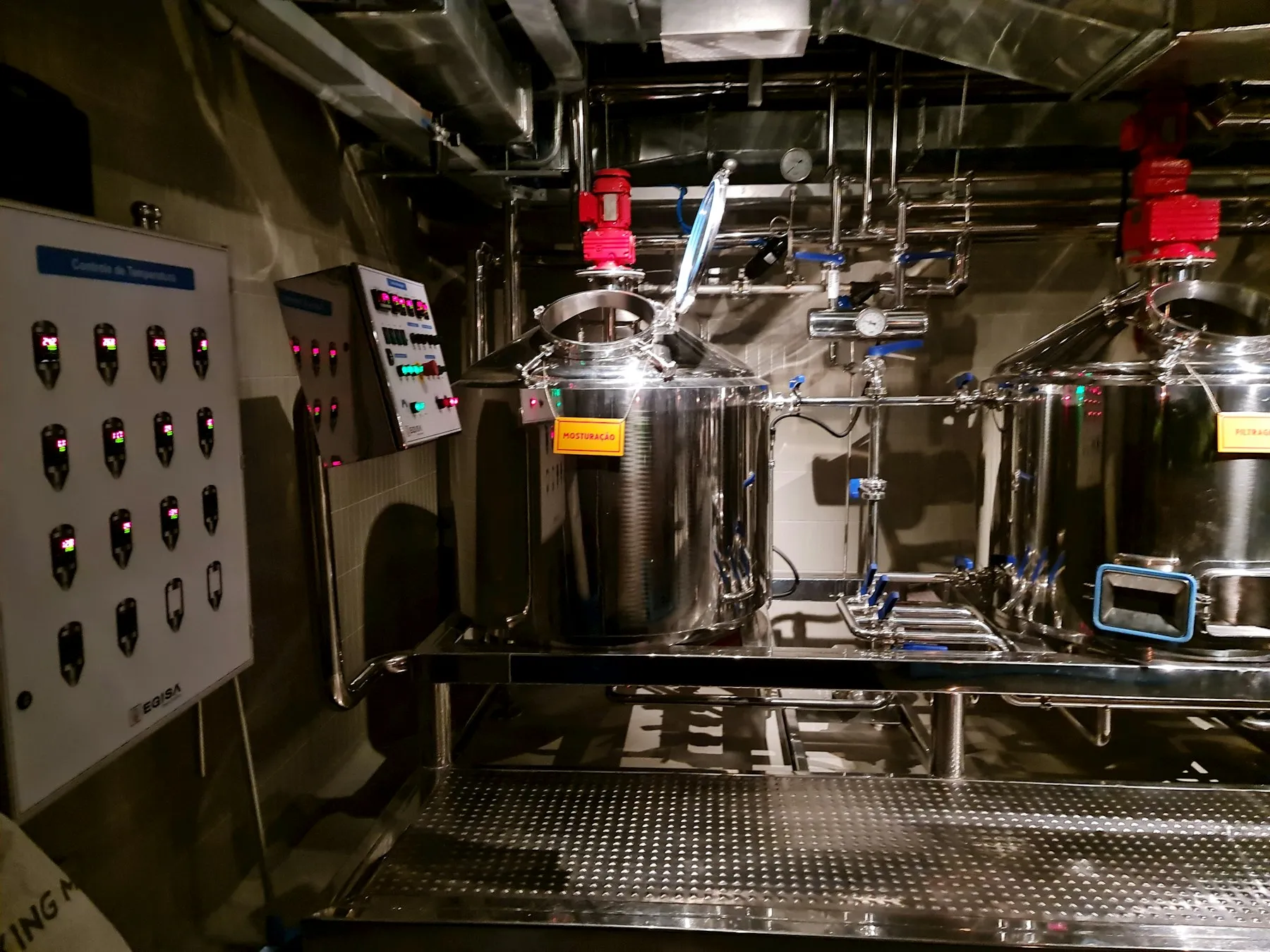
Named, not implied
Manufacturing is by Monsubi Foods LLC, in Mongolia. Import, distribution and brand ownership in Thailand is by Y Family Co., Ltd., in Bang Rak, Bangkok.
A supplement whose manufacturer you cannot identify is a supplement worth being cautious about. These are the two companies involved, and there are no others.
Discover our products
Our range


