
Gut Health
Gut and Sleep
Sleep and digestion run on the same roughly twenty-four hour clock, and they read the same cues: morning light, the timing of meals, a steady hour for bed. Keep the nights regular and the gut has a quieter, more predictable stretch to do its overnight work in. A daily ferment is one small fixed point in that day, never the thing holding the rhythm together

Why sleep matters for the gut
A broken night does more than leave you tired. The digestive system keeps its own daily rhythm, and that rhythm is tied closely to the sleep and wake cycle
The muscle waves that move food along, the timing of hunger, and the mix of microbes in the gut all shift across the day and settle overnight. Disrupt sleep often enough, or push it around by several hours, and that overnight settling has less room to happen

The overnight shift
Most of the gut's quiet housekeeping happens while you sleep. The pace of digestion drops, the muscle waves that sweep the small intestine clear run more freely between meals, and the lining has a long undisturbed stretch with nothing new arriving
That stretch works best when it is long enough and starts at a similar time each night. A late heavy meal, a bedtime that swings by hours, or a run of five-hour nights all cut into it, and the gut spends the next day catching up rather than ticking over
Habits that set up the night

The sleep signal

How long a night runs

Light early

Finish eating earlier
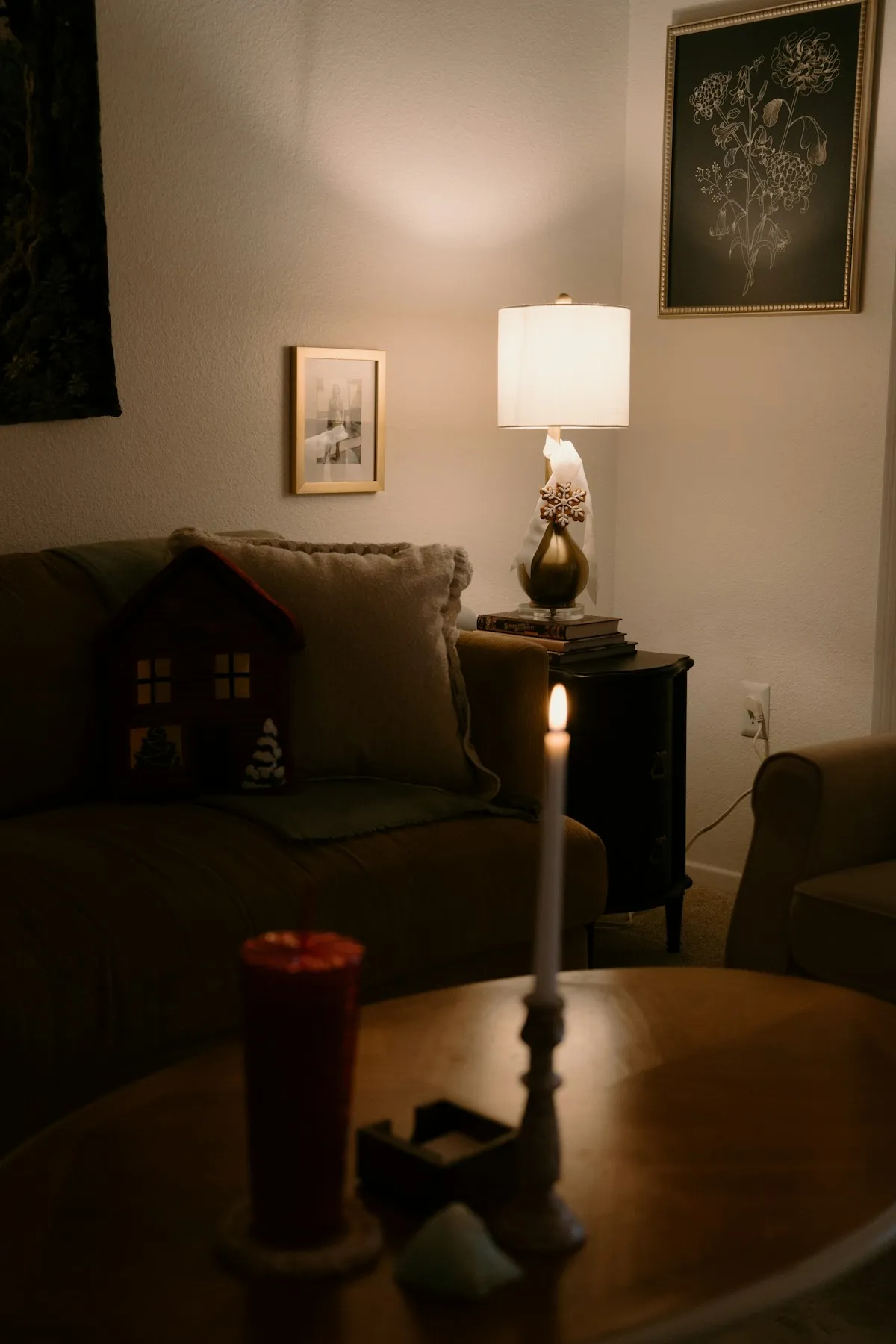
Dim the evening
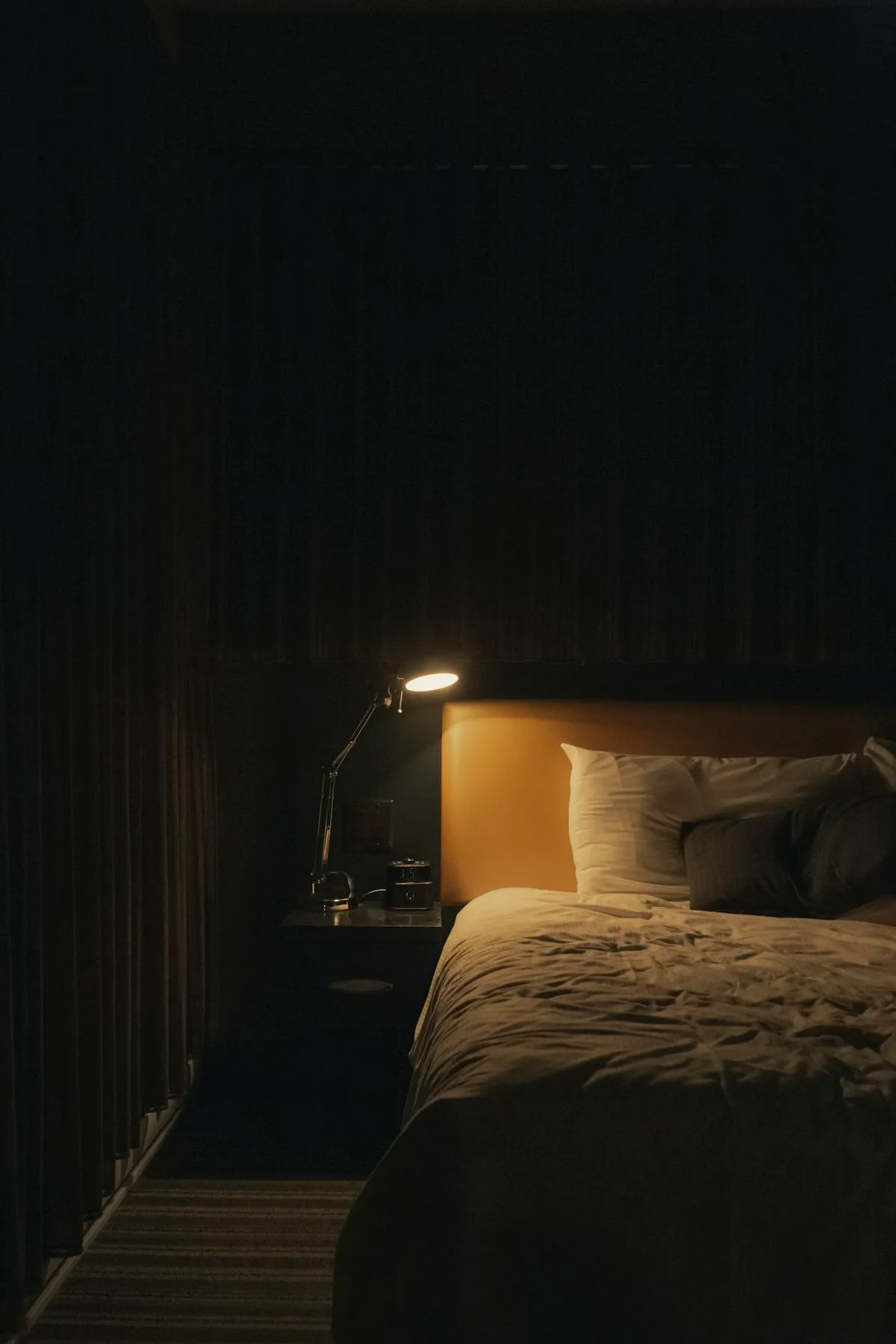
A cool dark room

A steady wake time

What short nights ask of the gut
A single late night is a small thing the body evens out quickly. A run of them is where the daily rhythm starts to drift. Hunger signals get louder and less regular, meals move later, and the overnight clear-out keeps getting cut short
The fix is not a perfect night. It is stringing together a few ordinary ones: the same wake time, an evening that resembles the one before, and meals back inside their usual windows

Catching up is not the same
A long weekend lie-in feels like repayment, and some of the lost hours do come back. What a lie-in does not do is reset the clock, because sleeping until midday pushes the next evening later and the following week starts already shifted
Evening out gently works better than a single big correction. Bring the wake time back by half an hour at a time, get outside into daylight early, and let the bedtime follow rather than forcing it